
Blog
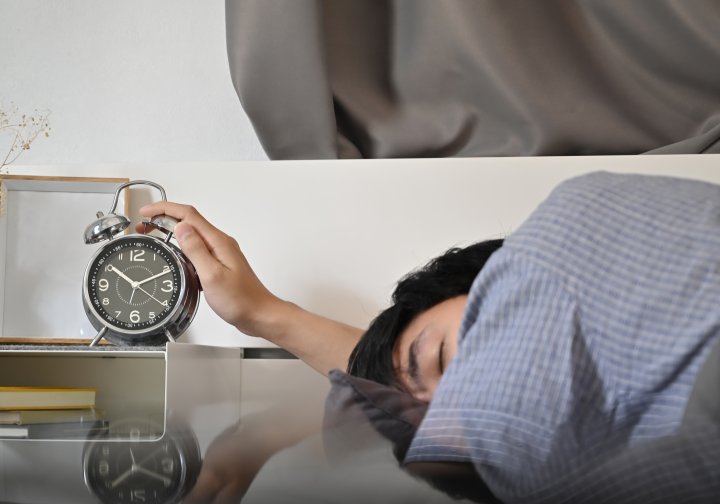
How to Effectively Improve the Quality of Your Sleep
Did you know that the average person spends about one-third of their life sleeping? It therefore stands to reason that the quality of that one-third will have a significant impact on the remaining two-thirds. Sleep is not merely a time of passive rest, but rather an active and essential process during which the brain undergoes crucial regeneration, memory consolidation, and emotional stabilization. We therefore consider it one of the fundamental pillars of mental and physical health. When we don’t sleep well over the long term, we are more likely to experience fatigue, low mood, irritability, and difficulty concentrating, and we are more prone to developing symptoms of anxiety or depression. In contrast, high-quality, regular sleep supports our resilience to stress, protects memory and attention, and helps the body regenerate.
Given the importance of quality and regular sleep, this article aims to summarize a few simple, science-backed steps that most of us can take to sleep better – and also when it’s appropriate to seek professional help.
How to Set Up a Healthy Sleep Routine
One of the most important steps towards better-quality sleep is consistency. Our bodies operate according to a circadian rhythm, which is an internal biological clock that helps regulate cycles of wakefulness and sleep. When we go to bed and get up at very different times each day, this rhythm becomes disrupted, and both falling asleep and waking up in the morning can become more difficult. That is why experts recommend keeping bedtimes and wake-up times as stable as possible, ideally even at weekends, when it may be tempting to “catch up” on lost sleep by sleeping in for a long time (Irish et al., 2015).
For adults, an optimal sleep duration is usually considered to be around 7 to 9 hours per night (Watson et al., 2015). Shorter sleep over the long term is associated with a higher risk of fatigue, impaired attention and poorer overall health functioning, but just as important as the number of hours is the regularity and continuity of sleep. This means that to get a good night’s sleep, it’s not enough to simply “put in the hours”. It’s also important to sleep at a time that aligns with our body’s natural rhythm and to avoid waking up repeatedly during the night.
Light also plays a significant role in regulating sleep. Daylight, especially in the morning, helps synchronise the internal clock and supports natural alertness during the day. In contrast, evening exposure to bright light, particularly blue light from screens, can suppress melatonin production and delay the onset of sleepiness. For this reason, it is recommended to limit the use of mobile phones, computers or television at least during the last hour before bedtime and to choose calmer activities instead, which help prepare both body and mind for rest.
The good news is that this is precisely the area where we often have the most control over our sleep. Maintaining a regular routine can be a relatively small change that nonetheless significantly affects how quickly we fall asleep, how often we wake up during the night and how rested we feel in the morning.
Sleeping Environment and Evening Habits for Better Sleep
Sleep isn’t just influenced by what time we go to bed, but also by the environment in which we fall asleep. Research shows that for a good night’s sleep, it’s important for the bedroom to be as quiet, dark, well-ventilated, and at a comfortable temperature as possible. Excessive noise, temperatures that are too high or, conversely, uncomfortably low, and light exposure can interfere with falling asleep, shorten the deeper stages of sleep, and contribute to more frequent nighttime awakenings. Even relatively minor adjustments to the environment, such as closing the curtains, reducing disruptive noises, or airing out the room before bed, can therefore have a greater effect than we often realize.
Other daily habits also significantly impact sleep quality. Caffeine can delay falling asleep and reduce subjective sleep quality, especially when consumed in the afternoon and evening. While alcohol may induce a feeling of drowsiness, it often disrupts sleep structure in the second half of the night and leads to more frequent awakenings. Similarly, irregular naps during the day or an overly long afternoon nap can reduce sleep pressure in the evening, making it harder to fall asleep.
Another great tip to try is to keep your bed as a place solely for sleep and rest. In practice, this means, for example, going to bed only when you’re truly sleepy, not using the bed for work or screen time, and if you can’t fall asleep for a while, getting up for a moment and returning to bed only when you feel more sleepy.
When Is It Time to Seek Professional Help
Although lifestyle changes and good sleep hygiene are effective preventive measures, there are situations where trying to resolve the issue on your own is no longer enough. In psychiatry and sleep medicine, experts use the so-called “rule of three” to define chronic insomnia, which is based on international diagnostic standards. If you have trouble falling asleep or staying asleep at least three times a week for more than three months, this constitutes a chronic condition that should be discussed with a specialist (Morin et al., 2006).
A key turning point for seeking help is when insomnia becomes a source of so-called anticipatory anxiety. That is, when a person begins to feel tension about the approaching night as early as the afternoon, leading to a state of heightened alertness. Another warning sign is so-called functional impairment. If poor-quality sleep begins to significantly affect your functioning during the day, specifically manifesting as difficulty concentrating, increased errors at work, marked emotional instability, or disruption of social relationships, it is appropriate to seek help regardless of how long the difficulties have lasted. Studies confirm that chronic insomnia is one of the strongest predictors of clinical depression and anxiety disorders.
Professional care at a psychiatric clinic offers a comprehensive assessment to rule out other causes, such as sleep apnoea or restless legs syndrome. Modern treatment is based primarily on cognitive-behavioural therapy for insomnia and is now regarded worldwide as the first-line approach, with more sustained effects than pharmacotherapy alone. Medication should serve only as a short-term bridge to get through the most difficult period, not as a permanent solution.
If you are experiencing sleep problems – whether new or long-standing – do not hesitate to contact us and we will help you find one of our specialists best suited to your situation.
About the Author: Jana FelklováJana is a second-year master’s student in the Theoretical and Research Psychology program at Charles University in Prague. She viewed her work at Unicare Medical Center as a valuable opportunity to gain hands-on experience in the field of psychology while pursuing her studies. |
References:
Irish, L. A., Kline, C. E., Gunn, H. E., Buysse, D. J., & Hall, M. H. (2015). The role of sleep hygiene in promoting public health: A review of empirical evidence. Sleep medicine reviews, 22, 23-36.
Consensus Conference Panel, Watson, N. F., Badr, M. S., Belenky, G., Bliwise, D. L., Buxton, O. M., ... & Tasali, E. (2015). Recommended amount of sleep for a healthy adult: a joint consensus statement of the American Academy of Sleep Medicine and Sleep Research Society. Journal of Clinical Sleep Medicine, 11(6), 591-592.
Morin, C. M., LeBlanc, M., Daley, M., Gregoire, J. P., & Merette, C. (2006). Epidemiology of insomnia: prevalence, self-help treatments, consultations, and determinants of help-seeking behaviors. Sleep medicine, 7(2), 123-130.